QuartieriDistrictsQuartiere
MaroggiaMaroggiaMaroggia
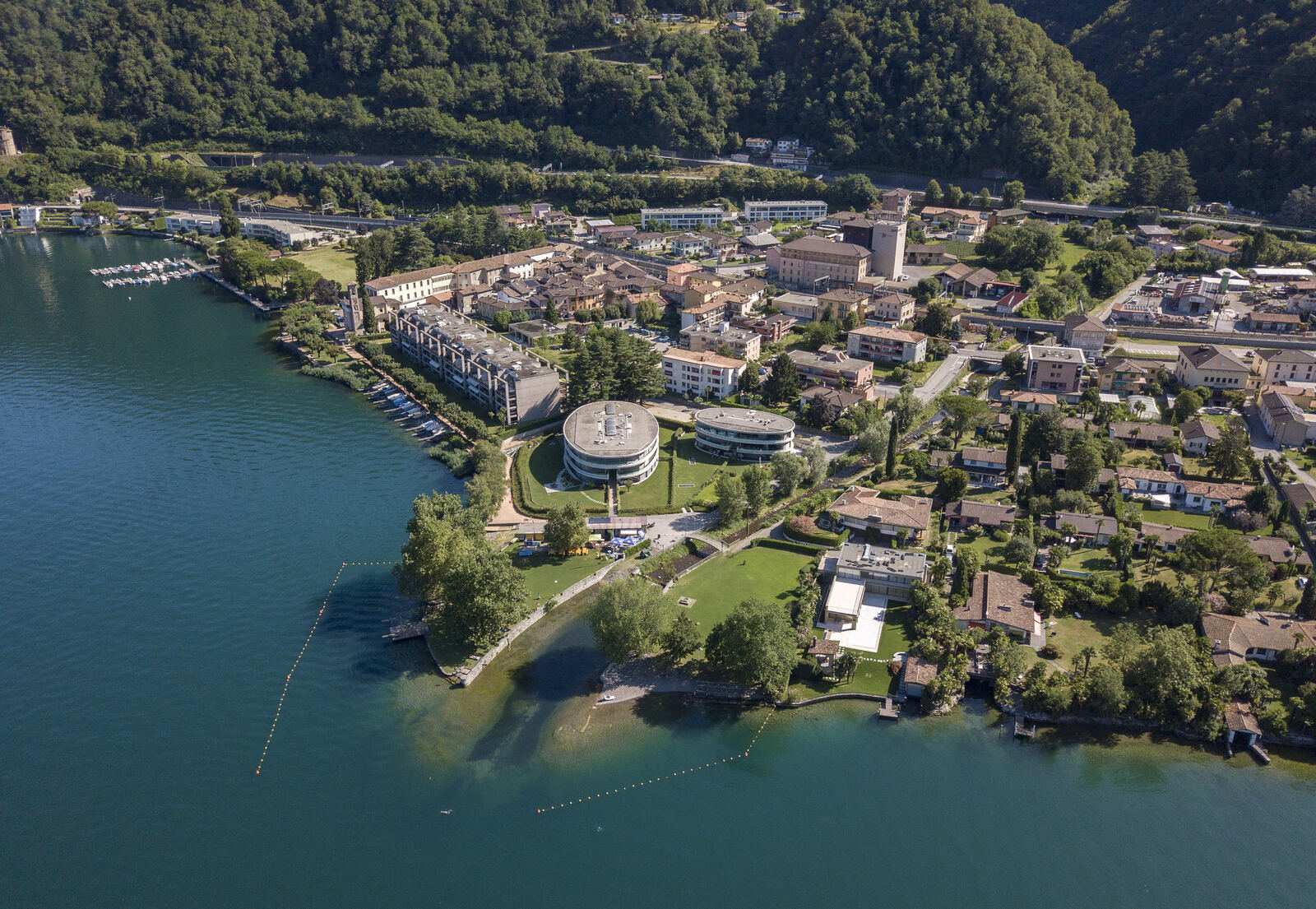
Da vedereHighlightsSehenswert
Luoghi del quartierePlaces in the districtOrte im Quartier
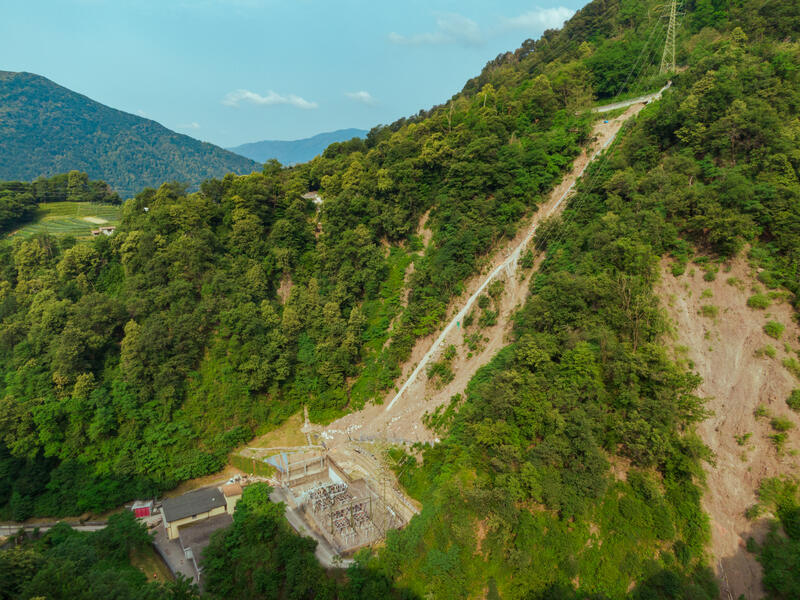 Centrale idroelettricaHydroelectric power plantWasserkraftwerkMaroggiaMaroggiaMaroggia
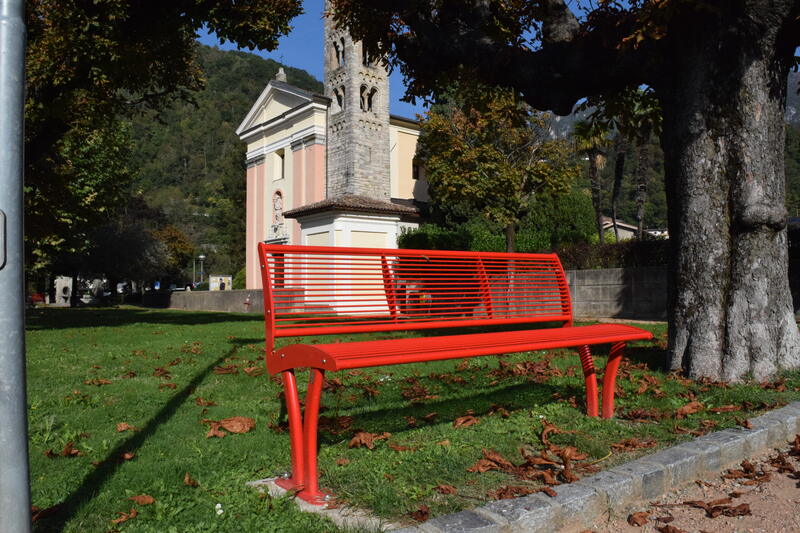 Chiesa SS Pietro e PaoloChurch of Sts Peter and PaulKirche St. Peter und PaulMaroggiaMaroggiaMaroggia
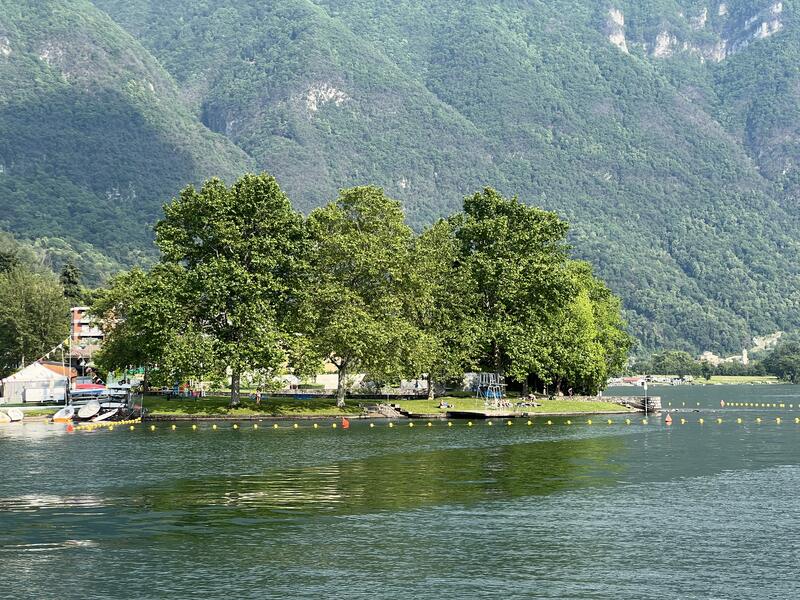 Lido MaroggiaLido MaroggiaLido MaroggiaMaroggiaMaroggiaMaroggia
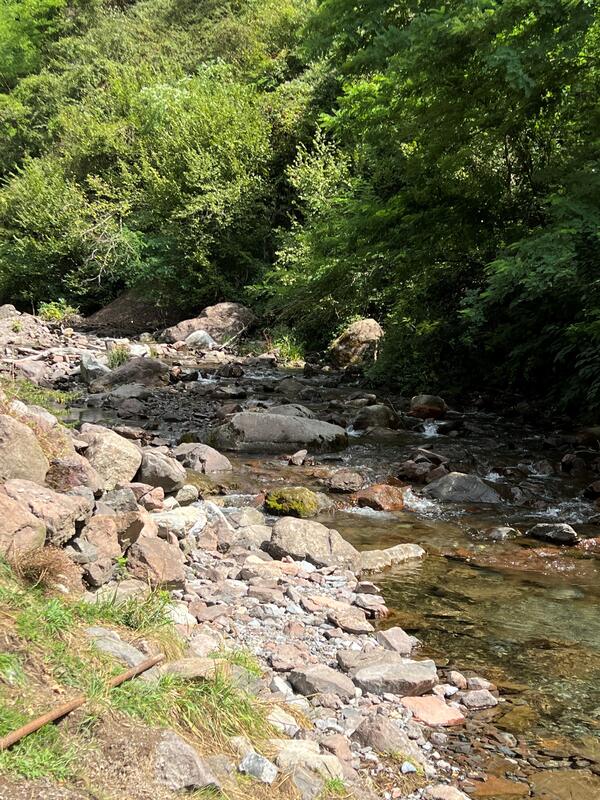 MaraMaraMaraMaroggiaMaroggiaMaroggia
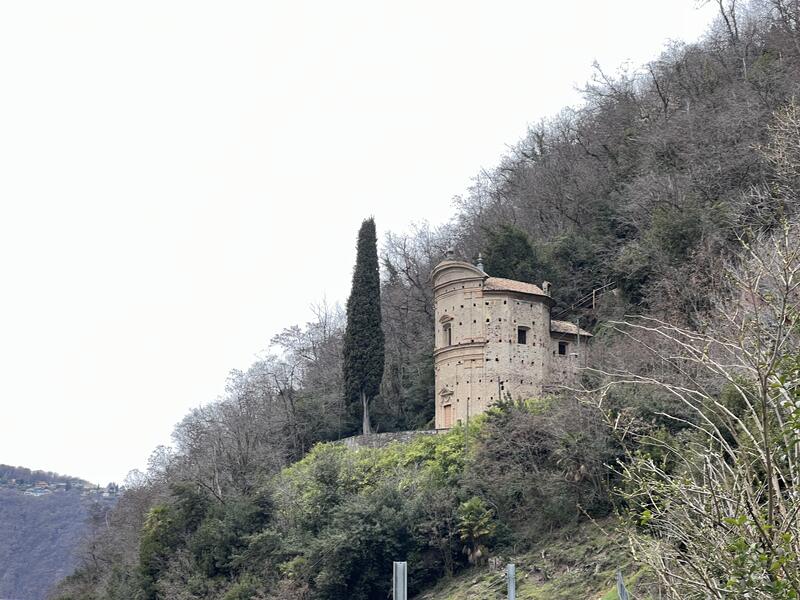 Oratorio Madonna della CinturaOratory Madonna della CinturaOratorium Madonna della CinturaMaroggiaMaroggiaMaroggia
Apri la mappa del quartiereOpen the district mapQuartierkarte öffnen
Nella storia…
I seppur scarsi ritrovamenti archeologici indicano che Maroggia fu un centro di antica fondazione. Nel 1906, in occasione di lavori di ampliamento dell’ex Collegio don Bosco (Villa Petrucci), venne alla luce una lastra di arenaria in alfabeto nord-etrusco e nel 1926 una stele con una iscrizione romana. La continuità dell’abitato è testimoniata da documenti del 724 circa, quando il re longobardo Liutprando fece dono di queste terre alla chiesa di San Carpoforo di Como (che successivamente le cedette al monastero di Sant’Ambrogio di Milano), e da altri del 962 e del 966 in cui si menzionano, nel “loco et feudo Marogia”, sette vigne e tre campi che l’abate Aupaldo, del monastero di Sant’Ambrogio di Milano, diede all’abate Liutprando del monastero di San Pietro di Lodi, unitamente ad altri fondi a Mendrisio e Meride, in cambio di alcuni beni e case che il monastero lodigiano possedeva nella corte di Campione.
Nel 1335 è attestata la presenza di un castello (“Castellum de Marozia”), di cui non resta traccia, alle spalle del quale si trovava il “prato de la Rozia” e la “strata franzischa”: cioè il principale asse viario che, in età medievale, da Campione e Bissone collegava con Mendrisio.
Gli abitanti di Maroggia, il cui piccolo e compatto nucleo storico si è sviluppato alle spalle della chiesa parrocchiale, trassero inizialmente il loro sostentamento dalla pesca e dalla produzione del carbone di legna. Il luogo dove oggi sorge l’oratorio della Madonna della Cintura, edificio costruito tra il 1731 e il 1766 a nord del villaggio sull’antica strada per Bissone, è ancor oggi denominato “carbonera”. In, seguito, grazie all’abbondante e regolare portata d’acqua del torrente Mara, l’attività principale divenne quella del “molinaro” e numerosi furono i mulini (oltre ad una cartiera e una fabbrica di prodotti alimentari attive fino alla metà del XIX secolo) costruiti lungo le rogge: una tradizionale attività che ancor oggi dopo secoli, con tecniche moderne, si perpetua.
Maroggia, come molti altri villaggi della regione, fu patria di artisti di grande valore: i Rodari, Longhena, Somaini.
Da sottolineare il fatto che lo sviluppo urbanistico di Maroggia si è concentrato soprattutto a sud del piccolo nucleo storico, lasciandone invariato il tessuto e lo stretto legame con il lago.
Through history…
Archaeological findings indicate that, despite being poor, Maroggia was a key location dating back to antiquity. In 1906, during work on the extension to the former Don Bosco College (Villa Petrucci), a slab of sandstone was revealed which displayed writing in the north Etruscan alphabet, and in 1926 a stone was discovered with a Roman inscription. There is an abundance of contemporary documents from around 724, when the Lombard King Liutprando made a gift of these lands to the Church of San Carpoforo Como (which later ceded them to the Monastery of Sant’Ambrogio di Milano), and other records from 962 and 966 mentioning seven vineyards and three fields belonging to Abbott Aupaldo of the Monastery of Sant’Ambrogio di Milano in the “area and stronghold of Maroggia”, which were presented to Abbott Liutprando of the Monastery of San Pietro di Lodi, together with other assets at Mendrisio and Meride, in exchange for some goods and houses owned by the monastery at Lodi in the Campione court.
In 1335 there is record of the presence of a castle (“Castellum de Marozia”), of which no trace remains, behind which stood the so-called “prato de la Rozia” and “strata franzischa”: that is the main road that linked Campione and Bissone to Mendrisio in the Middle Ages.
The inhabitants of Maroggia, whose small and compact historical centre has developed behind the parish church, originally made a living from fishing and charcoal production. The place where the Oratory of the Madonna della Cintura once stood, which was constructed between 1731 and 1766 north of the village on the old road to Bissone, is still referred to as “carbonera” (charcoal alley). Later, thanks to the abundant and regular flow of water from the Mara River, milling became the main activity and many mills (including a paper mill and a food factory, which were in operation until the mid-19th century) were constructed along the river: a traditional activity that continues to be practised centuries later, using modern techniques.
Maroggia, like many other villages in the region, was home to wealthy artists, such as Rodari, Longhena, Somaini.
Maroggia’s urban development was focused mainly in the south of the small historic centre, leaving the fabric of the village and the close link with the lake unchanged.
Aus der Geschichte …
Die wenn auch spärlichen archäologischen Funde zeigen, dass Maroggia eine Siedlung alten Ursprungs ist. 1906 kam bei Erweiterungsarbeiten am ehemaligen Kollegium Don Bosco (Villa Petrucci) eine Sandsteinplatte mit Schriftzeichen des nordetruskischen Alphabets zum Vorschein, 1926 eine Stele mit römischer Inschrift. Die Kontinuität der Siedlung belegen Urkunden aus der Zeit um 724, als der Langobardenkönig Liutprand diese Ländereien der Kirche San Carpoforo in Como schenkte (die sie später dem Kloster Sant’Ambrogio in Mailand abtrat), sowie weitere aus den Jahren 962 und 966, die im «loco et feudo Marogia» sieben Weinberge und drei Felder erwähnen, die Abt Aupaldo vom Kloster Sant’Ambrogio in Mailand dem Abt Liutprand des Klosters San Pietro in Lodi überliess, zusammen mit weiteren Gütern in Mendrisio und Meride, im Tausch gegen Besitzungen und Häuser des Klosters von Lodi im Hof von Campione.
Für 1335 ist eine Burg («Castellum de Marozia») bezeugt, von der keine Spur geblieben ist; dahinter lagen der «prato de la Rozia» und die «strata franzischa», die wichtigste Verkehrsachse, die im Mittelalter Campione und Bissone mit Mendrisio verband.
Die Einwohner von Maroggia, dessen kleiner, kompakter Ortskern sich hinter der Pfarrkirche entwickelte, lebten zunächst von der Fischerei und der Herstellung von Holzkohle. Der Ort, an dem heute das Oratorium der Madonna della Cintura steht – erbaut zwischen 1731 und 1766 nördlich des Dorfes an der alten Strasse nach Bissone –, heisst noch heute «carbonera». Später wurde dank der reichlichen und gleichmässigen Wasserführung der Mara das Müllerhandwerk zur Haupttätigkeit, und entlang der Kanäle entstanden zahlreiche Mühlen (dazu eine Papierfabrik und eine Lebensmittelfabrik, die bis Mitte des 19. Jahrhunderts in Betrieb waren): eine traditionelle Tätigkeit, die nach Jahrhunderten mit modernen Techniken bis heute fortbesteht.
Maroggia war wie viele andere Dörfer der Region die Heimat bedeutender Künstler: der Rodari, Longhena, Somaini.
Hervorzuheben ist, dass sich die städtebauliche Entwicklung von Maroggia vor allem südlich des kleinen historischen Kerns konzentrierte und dessen Gefüge sowie die enge Verbindung zum See unverändert liess.
La Villa Petrucci
L’ex Collegio Don Bosco, un vasto complesso che dal margine della strada cantonale si estende linearmente fino al sagrato della chiesa parrocchiale di San Pietro, è composto da tre corpi distinti. Il primo, verso il lago, è quello più recente: risale agli anni 1906-1907 e fu edificato per poter aumentare la disponibilità di spazi del Collegio. Unico dato rilevante è che, durante i lavori di costruzione, venne alla luce una lastra d’arenaria con iscrizioni nord-etrusche. Un secondo corpo, verso la strada cantonale, dove è situato l’ingresso, era la casa Fasola o Contestabile, acquisita dall’Istituto nel 1905: una costruzione risalente probabilmente all’inizio del XVII secolo.
La parte più interessante da un punto di vista storico e artistico è quella centrale, Villa Petrucci. La villa venne fatta costruire dal canonico Giovanni Pietro Petrucci negli anni tra il 1620 e 1640. Il canonico, originario di Maroggia, durante la sua vita di emigrato in Austria aveva accumulato una quantità di titoli puntigliosamente elencati sul portale della chiesa parrocchiale: “Protonotario Apostolico, Canonico di Ölmuz, Brünn e Kremsier, Consigliere dell’imperatore Ferdinando II e dell’Arciduca Leopoldo”. A Vienna lavorava il fratello, l’architetto Giacomo Petrucci, cui il canonico al rientro in patria commissionò la villa.
L’ambiente più interessante della costruzione è il vasto salone, riccamente decorato con stucchi del XVII secolo. Notevole pure l’apparato pittorico, con due opere murali di particolare valore dipinte da Giovanni Battista Bagutti verso la fine del XVIII secolo: un affresco sulla volta, raffigurante il Trionfo di Apollo, e un dipinto sopra il monumentale camino con Vulcano all’opera nella sua officina.
Dopo la morte di Giovanni Pietro Petrucci la villa cambiò diversi proprietari finché non fu acquistata, nel 1877, dal filosofo Romeo Manzoni (1847-1912) il quale la trasformò in un educandato per giovani ragazze. Infine, nel 1905, vi si trasferì dalla villa vescovile di Balerna il Collegio Don Bosco, ora soppresso.
Villa Petrucci
The former Don Bosco College, a vast complex stretching from the edge of the main road to the churchyard of the San Pietro parish church, is made up of three distinct parts. The first, which looks towards the lake, is the most modern part: it dates back to 1906-1907 and was built in order to increase the availability of places at the College. The only real point of note here is that during the construction work, a slab of sandstone with north Etruscan inscriptions was discovered. A second part, which looks over the main road, where the entrance is located, was once the home of Fasola o Contestabile and was acquired by the Institute in 1905. The building probably dates from the start of the 17th century.
The part that is most interesting from both an historical and an artistic point of view is the central part, the Villa Petrucci. The villa was built by Canon Giovanni Pietro Petrucci between 1620 and 1640. The canon, originally a local from Maroggia, but who immigrated to Austria, had painstakingly accumulated an array of titles, which are listed on the portal of the parish church: “Senior Secretary to the Papacy, Canon of Ölmuz, Brünn and Kremsier, Advisor to Emperor Ferdinand II, and to Archduke Leopold.” His brother, the architect Giacomo Petrucci, worked in Vienna, where the canon commissioned the villa on his return home.
The most interesting room in the building is the spacious living room, which is richly decorated with stucco work dating from the 17th century. What is also remarkable is the set of paintings, including two murals of particular value painted by Giovanni Battista Bagutti in the late 18th century: a fresco on the ceiling depicting the Triumph of Apollo and a monumental painting over the fireplace depicting Vulcan at work in his workshop.
After the death of Giovanni Pietro Petrucci, the house changed hands several times until it was purchased by the philosopher Romeo Manzoni (1847-1912) in 1877, who transformed it into a boarding school for young girls. Finally, in 1905, the now abolished Don Bosco College moved there from the bishop’s palace of Balerna.
Die Villa Petrucci
Das ehemalige Kollegium Don Bosco, ein weitläufiger Komplex, der sich vom Rand der Kantonsstrasse geradlinig bis zum Kirchplatz der Pfarrkirche San Pietro erstreckt, besteht aus drei verschiedenen Gebäudeteilen. Der erste, zum See hin, ist der jüngste: Er stammt aus den Jahren 1906–1907 und wurde gebaut, um dem Kollegium mehr Raum zu geben. Einzig erwähnenswert ist, dass bei den Bauarbeiten eine Sandsteinplatte mit nordetruskischen Inschriften zum Vorschein kam. Ein zweiter Gebäudeteil, zur Kantonsstrasse hin, wo sich der Eingang befindet, war das Haus Fasola oder Contestabile, das das Institut 1905 erwarb: ein Bau, der wahrscheinlich vom Anfang des 17. Jahrhunderts stammt.
Der historisch und künstlerisch interessanteste Teil ist der mittlere, die Villa Petrucci. Die Villa liess der Kanonikus Giovanni Pietro Petrucci in den Jahren zwischen 1620 und 1640 errichten. Der aus Maroggia stammende Kanonikus hatte während seines Lebens als Auswanderer in Österreich eine Fülle von Titeln angehäuft, die am Portal der Pfarrkirche penibel aufgezählt sind: «Apostolischer Protonotar, Kanonikus von Olmütz, Brünn und Kremsier, Rat Kaiser Ferdinands II. und Erzherzog Leopolds». In Wien arbeitete sein Bruder, der Architekt Giacomo Petrucci, dem der Kanonikus nach seiner Rückkehr in die Heimat die Villa in Auftrag gab.
Der interessanteste Raum des Gebäudes ist der grosse Saal, reich mit Stuckaturen aus dem 17. Jahrhundert geschmückt. Bemerkenswert ist auch die Ausmalung mit zwei besonders wertvollen Wandbildern, die Giovanni Battista Bagutti gegen Ende des 18. Jahrhunderts schuf: ein Deckenfresko mit dem Triumph des Apollo und ein Gemälde über dem monumentalen Kamin mit Vulkan bei der Arbeit in seiner Werkstatt.
Nach dem Tod von Giovanni Pietro Petrucci wechselte die Villa mehrfach den Besitzer, bis sie 1877 der Philosoph Romeo Manzoni (1847–1912) erwarb und in ein Mädchenpensionat umwandelte. 1905 schliesslich zog das inzwischen aufgehobene Kollegium Don Bosco aus der Bischofsvilla von Balerna hierher.
La Chiesa parrocchiale di San Pietro
La chiesa è attestata solo dal 1597. A partire dal 1635 fu integralmente ricostruita su volontà del canonico Giovanni Pietro Petrucci (1589-1659) e consacrata nel 1643. Nel corso di indagini archeologiche condotte nel 1973, vennero alla luce le fondamenta di una chiesa altomedievale, databili tra VIII e IX secolo, con un coro quadrangolare e affreschi del XV secolo.
La facciata attuale ha un disegno semplice, con quattro alte lesene che sorreggono il timpano e inquadrano il portale barocco con statua di San Pietro. Sul lato destro si trova il campanile romanico, eretto verso la fine dell’XI secolo, il cui secondo ordine fu rimaneggiato probabilmente nel 1908 e l’ultimo aggiunto nel 1928.
L’interno si presenta con navata unica voltata a botte e presbiterio rettangolare. Di particolare interesse sono i tre altari ornati con stucchi e statue eseguiti da Giovanni Antonio Colomba di Arogno nel 1640. L’altare maggiore, databile tra la fine del XVI e l’inizio del XVII secolo, è affiancato dalle statue dei santi Pietro e Paolo ed è sormontato dalle figure del Padre Eterno con Profeti; grande pala della Consegna delle chiavi a Pietro. Sulle pareti del coro spiccano due affreschi seicenteschi, attribuiti a Carpoforo Tencalla di Bissone: Decollazione di San Paolo e Crocifissione di San Pietro.
Le cappelle laterali sono dedicate alla Madonna del Rosario e a San Giovanni Battista. La prima, decorata con angeli e cariatidi e i santi Domenico e Caterina, contiene una statua in marmo bianco della Madonna, offerta alla chiesa nel 1843 dallo scultore maroggese Francesco Somaini; sulla parete di sinistra una tela raffigurante San Giuseppe attribuita a Giovanni Battista Bagutti (inizio XIX secolo).
La cappella di San Giovanni Battista accoglie una pala di Giovanni Battista Carlone di Genova del 1640; sulla parete di destra tela raffigurante Sant’Antonio da Padova, attribuita a Giovanni Battista Bagutti.
The Parish Church of San Pietro
The earliest records of the church are dated 1597. As of 1635, it was completely rebuilt as the request of Canon Giovanni Pietro Petrucci (1589-1659) and was consecrated in 1643. Archaeological investigations carried out in 1973 uncovered the foundations of a medieval church dating from the 8th and 9th centuries, containing with a square choir as well as 15th century frescoes.
The façade has a simple design, with four tall pilasters supporting the tympanum and a portal frame with a Baroque statue of St. Peter. On the right side, there is the Romanesque bell tower, built in the late 11th century, for which the second level was probably remodelled in 1908 and the last added in 1928.
The interior has a single nave with a barrel vaulted rectangular presbytery. Of particular interest are the three altars, decorated with stucco and statues by Giovanni Antonio Colomba in 1640. The high altar, which dates from the late 16th and early 17th century, sits between statues of Saint Peter and Saint Paul and is surmounted by the figure of the Eternal Father with the prophets; large altarpiece depicts Saint Peter receiving the keys to heaven. On the walls of the choir there are two 17th century frescoes, attributed to Carpoforo Tencalla di Bissone: the Beheading of Saint Paul and the Crucifixion of St. Peter.
The chapels at the side are dedicated to Our Lady of the Rosary and Saint John the Baptist. The first, decorated with angels and caryatids, as well as Saint Dominic and Saint Catherine, contains a white marble statue of the Madonna which was donated to the church in 1843 by the Maroggia local sculptor Francesco Somaini; on the left wall there hangs a painting attributed to Giovanni Battista Bagutti (early 19th century).
The chapel of St. John the Baptist is home to an altarpiece by Giovanni Battista Carlone di Genoa from 1640; on the right wall there hangs a painting of St. Anthony of Padua attributed to Giovanni Battista Bagutti.
Die Pfarrkirche San Pietro
Die Kirche ist erst seit 1597 bezeugt. Ab 1635 wurde sie auf Wunsch des Kanonikus Giovanni Pietro Petrucci (1589–1659) vollständig neu gebaut und 1643 geweiht. Bei archäologischen Untersuchungen im Jahr 1973 kamen die Fundamente einer frühmittelalterlichen Kirche aus dem 8. bis 9. Jahrhundert mit rechteckigem Chor und Fresken aus dem 15. Jahrhundert zum Vorschein.
Die heutige Fassade ist schlicht gestaltet, mit vier hohen Pilastern, die den Giebel tragen und das barocke Portal mit der Statue des heiligen Petrus einrahmen. Auf der rechten Seite steht der romanische Glockenturm, errichtet gegen Ende des 11. Jahrhunderts; sein zweites Geschoss wurde wahrscheinlich 1908 umgebaut, das letzte 1928 hinzugefügt.
Das Innere zeigt ein einziges Schiff mit Tonnengewölbe und einen rechteckigen Chor. Von besonderem Interesse sind die drei Altäre mit Stuckaturen und Statuen, die Giovanni Antonio Colomba aus Arogno 1640 schuf. Der Hochaltar, datierbar zwischen dem Ende des 16. und dem Anfang des 17. Jahrhunderts, wird von den Statuen der Heiligen Petrus und Paulus flankiert und von den Figuren Gottvaters mit Propheten bekrönt; grosses Altarbild mit der Schlüsselübergabe an Petrus. An den Chorwänden fallen zwei Fresken aus dem 17. Jahrhundert auf, die Carpoforo Tencalla aus Bissone zugeschrieben werden: die Enthauptung des heiligen Paulus und die Kreuzigung des heiligen Petrus.
Die Seitenkapellen sind der Rosenkranzmadonna und Johannes dem Täufer geweiht. Die erste, mit Engeln und Karyatiden sowie den Heiligen Dominikus und Katharina geschmückt, enthält eine Madonnenstatue aus weissem Marmor, die der aus Maroggia stammende Bildhauer Francesco Somaini der Kirche 1843 schenkte; an der linken Wand ein Gemälde des heiligen Josef, Giovanni Battista Bagutti zugeschrieben (Anfang 19. Jahrhundert).
Die Kapelle Johannes des Täufers beherbergt ein Altarbild von Giovanni Battista Carlone aus Genua von 1640; an der rechten Wand ein Gemälde des heiligen Antonius von Padua, Giovanni Battista Bagutti zugeschrieben.
I mulini e l’energia
La costante e regolare portata d’acqua del torrente Mara ha garantito a Maroggia, dal medioevo ai giorni nostri, lo sviluppo di attività artigianali prima, con la presenza di diversi mulini, e industriali poi.
La storia recente inizia nel 1888, quando gli Stadlin di Zugo, antica famiglia di mugnai, acquistarono il vecchio mulino Raggi e Contestabile, demolito con la costruzione dell’autostrada nel 1966. Nel 1897 gli Stadlin costruirono il primo mulino che mantenne il nome di “Untermühle Zug filiale di Maroggia” fino al 1952.
Nel 1904 fu acquistata la riseria, demolita per lasciare spazio a un nuovo mulino unito alla linea ferroviaria grazie ad un binario privato. La struttura fu completata con un silo in legno tuttora esistente. Il nuovo mulino iniziò la produzione nel 1924. Negli anni 1943-1945 furono apportati diversi miglioramenti: ampliamento di mulino e magazzini, erezione di un secondo silo in cemento. Verso il 1980 è stato integralmente rinnovato il reparto di produzione, posati nuovi sili per lo stoccaggio dei prodotti finiti e rifatto il reparto d’insacco. Infine, nel 2000, si è provveduto alla sua completa automatizzazione.
Negli stessi anni fu costruita la prima centrale elettrica sfruttando le acque dalle sorgenti di Cà del Ferée e Böss, situate ad Arogno.
La prima centrale risale al 1889 e fu realizzata dalla ditta Bucher-Durrer, che portò la luce elettrica in Piazza della Riforma a Lugano nel 1890. Il Municipio iniziò a pensare di poter diventare produttore di energia e nel 1904 fu creata l’OECL (Officina Elettrica Comunale). Nel 1919 venne acquistato l’impianto della Val Mara della Bucher-Durrer e rinnovato. L’acqua prelevata è convogliata in un canale per più di quattro chilometri fino a Maroggia, dove la condotta forzata porta l’acqua alla centrale in fondo alla Val Mara. Nel 1972 l’OECL diventa AIL (Aziende Industriali di Lugano), che gestisce a tutt’oggi il piccolo impianto della Val Mara che copre lo 0,4% del fabbisogno.
Windmills and energy
The constant and regular flow of water from the river Mara has ensured that Maroggia has been a centre for first for artisan business and then for industry, from the Middle Ages through to today, thanks to the presence of windmills.
The more recent part of the story began in 1888, when the Stadlin family, an ancient family of millers from Zug, acquired the old Raggi and Contestabile mill, which was knocked down with the construction of the motorway in 1966. In 1897, Stadlin built his first mill, which bore the name “Untermühle Zug filiale di Maroggia” until 1952.
In 1904, he purchased the rice mill, which was demolished to make way for a new mill that was connected to the railway line via a private track. Construction was completed using a wooden silo that still exists today. The new mill began production in 1924. Between 1943 and 1945, it underwent various improvements: an extension of the mill itself and the store, and the erection of a second silo made of cement. Around 1980, the production department was completely revamped: new silos were installed for storing the finished products and the bagging department was overhauled. Finally, in 2000, steps were taken towards completely automated operation.
In the same year, the first hydroelectric power plant was built, using water from the springs at Cà del Ferée and Böss, located at Arogno.
The first plant dates back to 1889 and was built by the company Bucher-Durrer, which brought electric lighting to the Piazza della Riforma in Lugano in 1890. The city hall began to consider the possibility of becoming an energy supplier and in 1904 it created the electrical supply company OECL (Officina Elettrica Comunale – OECL). In 1919, the plant was purchased from Bucher-Durrer by Val Mara and was renovated. The water was collected and transported along 4 kilometres of canal to Maroggia, where the penstock carried the water to the centre of Val Mara. In 1972, the OECL became the energy supply company AIL (Aziende Industriali di Lugano), which even now still manages a little plant at Val Mara, meeting 0.4% of demand.
Die Mühlen und die Energie
Die konstante und gleichmässige Wasserführung der Mara hat Maroggia vom Mittelalter bis heute die Entwicklung zunächst handwerklicher Tätigkeiten mit mehreren Mühlen und später industrieller Betriebe gesichert.
Die jüngere Geschichte beginnt 1888, als die Stadlin aus Zug, eine alte Müllerfamilie, die alte Mühle Raggi und Contestabile erwarben, die 1966 beim Bau der Autobahn abgerissen wurde. 1897 bauten die Stadlin die erste Mühle, die bis 1952 den Namen «Untermühle Zug, Filiale Maroggia» trug.
1904 wurde die Reismühle gekauft und abgerissen, um Platz für eine neue Mühle zu schaffen, die über ein Privatgleis an die Bahnlinie angeschlossen war. Die Anlage wurde mit einem noch heute bestehenden Holzsilo vervollständigt. Die neue Mühle nahm 1924 die Produktion auf. In den Jahren 1943–1945 folgten verschiedene Verbesserungen: Erweiterung von Mühle und Lagerhäusern, Bau eines zweiten Silos aus Beton. Um 1980 wurde die Produktionsabteilung vollständig erneuert, neue Silos für die Lagerung der Fertigprodukte aufgestellt und die Absackanlage neu gebaut. Im Jahr 2000 schliesslich wurde der Betrieb vollständig automatisiert.
In denselben Jahren entstand das erste Elektrizitätswerk, das das Wasser der Quellen von Cà del Ferée und Böss bei Arogno nutzte.
Das erste Kraftwerk stammt von 1889 und wurde von der Firma Bucher-Durrer gebaut, die 1890 das elektrische Licht auf die Piazza della Riforma in Lugano brachte. Die Gemeinde begann, sich als Energieerzeugerin zu sehen, und 1904 wurde die OECL (Officina Elettrica Comunale) gegründet. 1919 wurde die Val Mara-Anlage von Bucher-Durrer gekauft und erneuert. Das gefasste Wasser wird in einem Kanal über mehr als vier Kilometer bis nach Maroggia geleitet, wo die Druckleitung es zum Kraftwerk am Ende der Val Mara bringt. 1972 wurde aus der OECL die AIL (Aziende Industriali di Lugano), die bis heute die kleine Val Mara-Anlage betreibt, die 0,4 % des Bedarfs deckt.
Baldassare Longhena
Tra i maggiori e più vivaci esponenti del barocco veneziano, nacque a Venezia nel 1598. Giovanissimo, divenne allievo del grande architetto Vincenzo Scamozzi, con il quale collaborò nella costruzione delle Procuratie Nuove. Poco più che ventenne, diede prova delle sue capacità con il rifacimento di Palazzo Malipiero e la ristrutturazione di Palazzo Giustiniani. Il suo campo d’attività spaziò dalla costruzione di edifici civili (Ca’ Pesaro, Palazzo Belloni Battaglia, Palazzo Zane Collalto, Ca’ Rezzonico) e religiosi (Duomo di Chioggia, Chiesa degli Scalzi e dell’Ospedaletto a Venezia). Ma l’edificio che maggiormente lo rappresenta è sicuramente la Basilica di Santa Maria della Salute, che domina il Canal Grande, progettata nel 1631 su richiesta della popolazione quale ringraziamento per la cessazione di una terribile epidemia di peste.
Baldassare Longhena morì nel 1682 e fu sepolto nella Chiesa di Santa Maria Maggiore. Si sostiene che sulla pietra tombale, da lui stesso preparata, si leggesse “Luganensi italu natu”. L’iscrizione, che non è mai stata ritrovata, introduce la questione sulle origini del grande architetto. Le prime notizie in proposito ci giungono dal manoscritto del veneziano Tommaso Temanza, redatto nel 1738. Il Temanza scrive che il padre di Baldassare, Melchisedech, era uno scalpellino e tagliapietre (a quanto pare non particolarmente dotato) e, aggiunge, che il padre “fu svizzero” e che “nacque in una villa dita Marosa sul Lago di Como”. Questa località sul Lago di Como non esiste e probabilmente il Temanza, non conoscendo la complessa geografia di queste contrade, fornì un’indicazione di massima confondendo il Lago di Como con quello di Lugano. Numerosi storici dell’arte, dalla fine del XIX secolo fino ai nostri giorni, hanno interpretato “Marosa” come una storpiatura del toponimo Maroggia. Sebbene non avallata da documenti storici, l’individuazione di Maroggia come luogo di origine della famiglia potrebbe essere corretta, avvalorata anche dagli stretti rapporti professionali che il Longhena mantenne per tutta la vita con artisti e architetti provenienti da questa regione, come Antonio e Giuseppe Sardi di Morcote, Bernardo Falconi di Rovio, Pier Francesco Mola di Coldrerio.
Baldassare Longhena
One of the largest and most vibrant members of the Venetian Baroque movement was born in Venice in 1598. Giovanissimo became a pupil of the great architect Vincenzo Scamozzi, with whom he worked together on the construction of the Procuratie Nuove. While still only in his early twenties he proved his ability with the renovation of Palazzo Malipiero and the restructuring of the Palazzo Giustiniani. His field of activities ranged from construction of municipal buildings (Ca’ Pesaro, Palazzo Belloni Battaglia, Palazzo Zane Collalto, Ca’ Rezzonico) and religious buildings (Chioggia Cathedral, Scalzi Church and the Ospedaletto in Venice). But the building that best represents his skill is undoubtedly the Basilica of Santa Maria della Salute, which overlooks the Grand Canal, designed in 1631 at the request of the population as a token of thanksgiving for the end of a terrible plague.
Baldassare Longhena died in 1682 and was buried in the Church of Santa Maria Maggiore. It is argued that on the tombstone, which he himself prepared, it read “Luganensi italu natu”. The inscription, which has never been found, raises the question about the origins of the great architect. The first record of him is in the Venetian manuscript Tommaso Temanza, produced in 1738. In the Temanza it states Baldassare’s father, Melchisedech, was a stonecutter and mason (apparently not a particularly gifted one), and adds that the father “was Swiss”, and “was born in a villa called Marosa at Lake Como”. This place at Lake Como does not exist and it is probable that Temanza, not knowing the complex geography of the land, gave a general indication of confusing Lake Como with Lugano. Many art historians from the late 19th century to the present day have interpreted “Marosa” as a mispronunciation of Maroggia. Although not confirmed by historical documents, Maroggia may be correctly identified as a place of the family’s origin. This is supported by the close professional relationships that Longhena maintained throughout his life with artists and architects from the region, such as Antonio and Giuseppe Sardi di Morcote, Bernardo Falconi di Rovio and Pier Francesco Mola di Coldrerio.
Baldassare Longhena
Einer der bedeutendsten und lebhaftesten Vertreter des venezianischen Barocks wurde 1598 in Venedig geboren. Schon sehr jung wurde er Schüler des grossen Architekten Vincenzo Scamozzi, mit dem er beim Bau der Procuratie Nuove zusammenarbeitete. Kaum über zwanzig, bewies er sein Können mit dem Umbau des Palazzo Malipiero und der Renovierung des Palazzo Giustiniani. Sein Schaffen reichte vom Bau ziviler Gebäude (Ca’ Pesaro, Palazzo Belloni Battaglia, Palazzo Zane Collalto, Ca’ Rezzonico) bis zu Kirchenbauten (Dom von Chioggia, Kirche degli Scalzi und dell’Ospedaletto in Venedig). Das Bauwerk, das ihn am besten repräsentiert, ist aber zweifellos die Basilika Santa Maria della Salute, die den Canal Grande beherrscht; er entwarf sie 1631 auf Wunsch der Bevölkerung als Dank für das Ende einer schrecklichen Pestepidemie.
Baldassare Longhena starb 1682 und wurde in der Kirche Santa Maria Maggiore beigesetzt. Auf dem von ihm selbst vorbereiteten Grabstein soll «Luganensi italu natu» zu lesen gewesen sein. Die nie wiedergefundene Inschrift wirft die Frage nach der Herkunft des grossen Architekten auf. Die ersten Nachrichten dazu stammen aus dem 1738 verfassten Manuskript des Venezianers Tommaso Temanza. Temanza schreibt, Baldassares Vater Melchisedech sei Steinmetz und Steinhauer gewesen (offenbar nicht besonders begabt), und fügt hinzu, der Vater «sei Schweizer gewesen» und «in einem Dorf namens Marosa am Comersee geboren». Diesen Ort am Comersee gibt es nicht; wahrscheinlich gab Temanza, der die komplizierte Geografie dieser Gegend nicht kannte, nur eine ungefähre Angabe und verwechselte den Comersee mit dem Luganersee. Zahlreiche Kunsthistoriker haben seit dem Ende des 19. Jahrhunderts bis heute «Marosa» als Verballhornung des Ortsnamens Maroggia gedeutet. Auch wenn keine historischen Dokumente sie belegen, könnte die Bestimmung von Maroggia als Herkunftsort der Familie zutreffen; dafür sprechen auch die engen beruflichen Beziehungen, die Longhena sein ganzes Leben lang zu Künstlern und Architekten aus dieser Region pflegte, wie Antonio und Giuseppe Sardi aus Morcote, Bernardo Falconi aus Rovio und Pier Francesco Mola aus Coldrerio.